
What Is the Best Home Massage Cushion in 2026?
What Is the Best Home Massage Cushion in 2026? The answer depends less on a long feature list and more on how well a cushion fits your body, chair, and routine. A compact unit may suit a desk chair, while a wider model can feel steadier on a sofa. Check the height and shape of the massage nodes. They should reach the muscles you want without pressing painfully against your spine or shoulder blades. Small details matter.
This guide looks at features that affect everyday comfort: massage style, heat settings, coverage, controls, noise, and storage. It also considers practical questions, such as whether straps keep the cushion in place and whether you can adjust a session without awkward reaching. A low price can be tempting. But weak support or a poor fit may make a cushion frustrating to use. Personal preference matters, too; what feels soothing to one person may feel too intense to another.
A massage cushion is not a medical treatment, and product claims deserve a careful read. If you have persistent pain, reduced sensation, or a health condition, ask a qualified healthcare professional before using one. There is no perfect choice for everyone. The best Home Massage Cushion in 2026 is one that feels comfortable, suits your seating habits, and offers clear, usable settings—not simply the most dramatic promise.
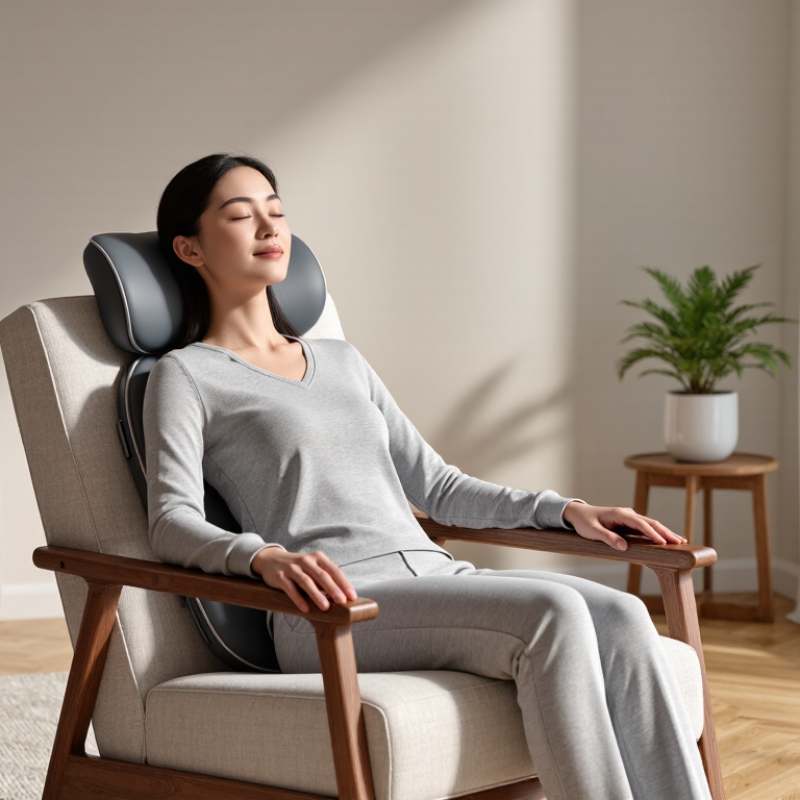
What a Home Massage Cushion Is and How Its Main Mechanisms Work
What Is the Best Home Massage Cushion in 2026?
What a Home Massage Cushion Is and How Its Main Mechanisms Work
A home massage cushion is a portable pad designed to rest against a chair and apply mechanical pressure to the back or neck. Many models use rotating nodes that knead in small circles, while vibration motors create a lighter, broader sensation. Optional heat warms the contact area. It may feel soothing, but warmth does not prove deeper treatment.
A cushion differs from hands: its fixed nodes follow preset paths, so placement matters. Shiatsu-style mechanisms may change direction or pressure, while simpler units mainly vibrate. Check that the nodes reach the intended area without pushing your neck forward. A hard chair can make pressure feel sharp; a thin towel may soften contact. Placement can be fiddly, and diagrams are not always clear. Not every setting suits every body. People with reduced sensation, recent surgery, or certain medical conditions should ask a clinician before using heat or strong pressure.
Tips: Start with the lowest setting for a few minutes. Stop if you feel pain, numbness, or lingering discomfort. Keep the cushion’s instructions nearby.
What Is the Best Home Massage Cushion in 2026? — What a Home Massage Cushion Is and How Its Main Mechanisms Work
| Dimension | How It Works | Typical Use or Benefit | What to Check Before Buying |
|---|---|---|---|
| What a home massage cushion is | A powered seat or back cushion designed to provide massage-like movement while a person sits or reclines. Many models use rotating nodes, vibration, or a combination of mechanisms. | Offers a convenient way to apply localized mechanical stimulation at home; it is not a substitute for medical care or a therapist’s assessment. | Check the intended body areas, supported seating positions, dimensions, and whether the cushion can be secured safely to the chair. |
| Rotating shiatsu-style nodes | Motor-driven rounded nodes rotate or travel in a repeated pattern to press and knead against the body through the cushion cover. | Often used on the back and, in some designs, the neck or shoulders. The pressure may feel more concentrated than vibration. | Look for adjustable direction or intensity, a suitable node path, and a way to stop or reposition the mechanism if pressure feels uncomfortable. |
| Vibration motors | Small motors create rapid oscillations in one or more areas of the cushion. They generally move the cushion rather than kneading with distinct rotating nodes. | Provides broad, surface-level stimulation and may be available in seat, back, or multiple zones. | Check which zones operate independently, the available intensity settings, and whether vibration can be used without other functions. |
| Rolling or gliding movement | Some back cushions move massage heads along a track or guide, creating a traveling motion over part of the back. | Can cover a longer vertical area than fixed-position nodes, depending on the track and cushion design. | Check the stated coverage area and whether the moving heads can be positioned comfortably for the intended user and chair. |
| Optional heat | An electrical heating element warms a designated area of the cushion. Heat is a separate feature from the massage mechanism. | May add a feeling of warmth and comfort. It does not establish that the cushion treats an injury or medical condition. | Check for a clearly described heat control, automatic shutoff information, and instructions for use. Avoid heat on areas with reduced temperature sensation unless advised by a health professional. |
| Air compression | Inflatable chambers fill and release air to apply intermittent pressure. This feature appears in some seat or leg-oriented products but is not present in every massage cushion. | Provides a different sensation from rotating nodes or vibration and may target the seat or limbs, depending on the design. | Confirm which body areas the chambers cover and review safety guidance, especially if the user has circulation concerns or another relevant health condition. |
| Controls and session settings | Buttons or a handheld controller select modes, zones, intensity, direction, or session duration; available controls vary by model. | Allows the user to tailor the experience and stop a session without unplugging the unit. | Prefer controls that are easy to reach and understand. Review the manual for session limits and recommended operating instructions. |
| Fit and portability | The cushion’s shape, straps, weight, and power source determine how it fits on a chair and whether it can be moved between locations. | A better fit can help keep the massage area aligned with the intended body region during use. | Measure the chair and compare it with the product dimensions. Check the power-cord length, storage requirements, and whether the cushion is designed for the chosen seat. |
| Choosing a suitable option | Match the mechanism and coverage to personal comfort preferences rather than assuming that more functions mean a better fit. | A simple vibration cushion may suit someone seeking broad, gentle stimulation; someone seeking a kneading sensation may prefer a cushion with rotating nodes. | Consider comfort, adjustable settings, clear safety instructions, return terms, and any advice from a healthcare professional relevant to the user’s health. |
Safety note: Follow the product manual, use the cushion only as directed, and stop if use causes pain, numbness, or unusual discomfort. People who are pregnant, have an implanted medical device, reduced sensation, circulation problems, or a significant health condition should seek appropriate professional advice before use.