Best Dough Cutting Machine for Efficient Bakery Production?
In the fast-paced world of bakery production, efficiency is key. The demand for precision and speed has led to the development of advanced dough cutting machines. John Baker, a renowned expert in bakery technologies, once stated, "A good dough cutting machine can revolutionize production and consistency." This highlights the importance of choosing the right equipment.
Dough cutting machines are essential for bakeries aiming for optimal output. They not only save time but also ensure uniformity in product size. However, not all machines meet the diverse needs of every bakery. Evaluating features like cutting speed, ease of use, and durability is crucial.
Despite the advancements, there are still challenges. Some machines may require more maintenance than anticipated. Others might not perform well with certain dough types. It’s vital for bakers to reflect on their unique requirements and workflows. Selecting the best dough cutting machine can significantly impact productivity and quality.
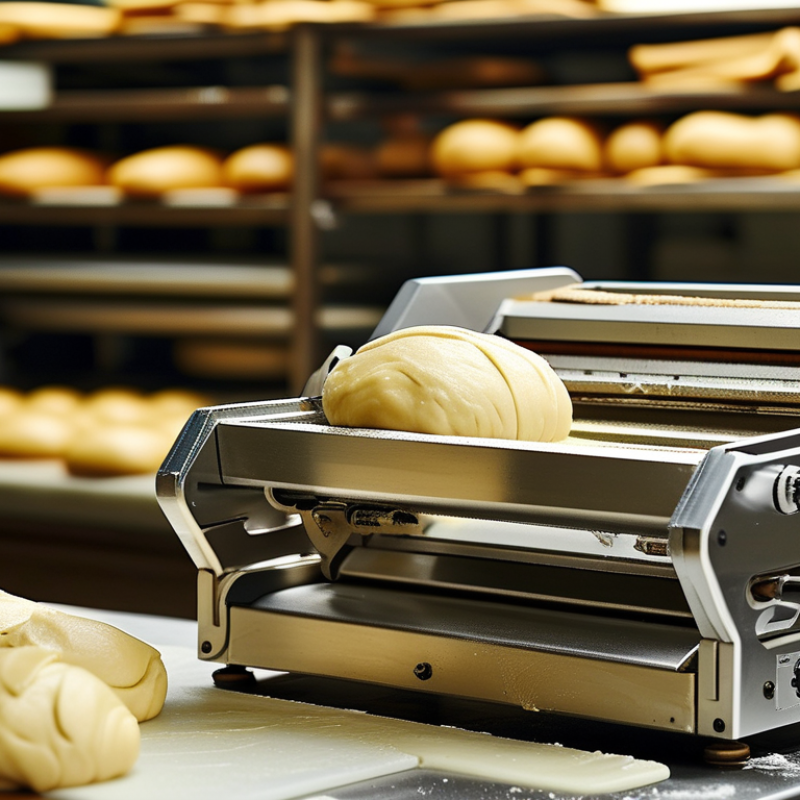
Types of Dough Cutting Machines Available in the Market
Dough cutting machines come in various types, each designed for specific bakery needs. Common types include manual cutters, automated machines, and semi-automated options. Manual cutters are basic but require physical effort. They are suitable for small bakeries with limited production demands. However, these machines might not keep up with higher volume needs.
Automated dough cutting machines are gaining popularity. According to a recent industry report, these machines can increase production efficiency by up to 40%. They handle complex cutting tasks quickly, reducing labor costs and minimizing waste. The precision they offer leads to consistently shaped dough pieces, essential for quality baking.
Semi-automated machines offer a balance between manual and fully automated systems. They require operator input but significantly speed up the process. These machines suit mid-sized bakeries looking to expand production without substantial initial investment. However, the reliance on operators can introduce inconsistencies if staff are untrained. While each machine type has its pros and cons, selecting the right one depends on production needs and budget constraints.
Key Features to Consider When Choosing a Dough Cutting Machine
When selecting a dough cutting machine, several key features are essential for efficient bakery production. The cutting speed plays a crucial role. A faster machine can handle large volumes, but speed must be balanced with precision. Machines that can adjust cutting thickness offer versatility, allowing bakers to create various products with ease.
Another important aspect to consider is the machine’s ease of use. User-friendly controls can save time during busy hours. Look for machines that can be easily cleaned. Downtime for cleaning can disrupt production, so simplicity here is vital. Additionally, durability is important; a robust machine will withstand the demands of a bakery environment.
Finally, observe the machine’s safety features. An emergency stop function is essential for preventing accidents. However, not all machines offer optimal safety measures. Regular maintenance is necessary to ensure these features remain functional. While many options exist, assessing these elements can reveal the best fit for your bakery's needs.
Benefits of Using Dough Cutting Machines in Bakery Production
Dough cutting machines play a significant role in modern bakery production. They enhance efficiency and precision in the cutting process. Bakeries can produce uniform dough pieces, which not only improves baking consistency but also enhances the overall product quality. With machines, bakers can save time during busy hours, allowing them to focus on creativity and flavor development.
Using a dough cutting machine reduces physical strain on staff members. Manual cutting can be tiring and often leads to variations in size. This inconsistency impacts baking times and, ultimately, the final product. A machine ensures that each piece is cut to the same size, resulting in better control over the baking process. It minimises waste and maximizes resource utilization.
However, investing in this technology can be daunting for some bakeries. Costs can be a concern, especially for small businesses. It's essential to evaluate the potential return on investment. While machines can streamline production, they require regular maintenance and training for staff. Some bakers might feel apprehensive about relying too heavily on technology, fearing it could compromise their craft. Balancing technology and traditional methods can be a challenge worth exploring.
Maintenance Tips for Prolonging the Life of Dough Cutting Machines
Dough cutting machines are vital for efficient bakery operations. Their proper maintenance can significantly extend their lifespan. Regular cleaning is essential to prevent flour buildup, which can lead to machine inefficiencies. According to a report by The Bakery Association, neglected equipment can decrease production by up to 30%. This is a costly oversight for any bakery.
Routine inspections are crucial. Check the blades and cutting mechanisms for wear and tear. Replacing worn parts on time can save bakers from sudden breakdowns. A study by the Food Manufacturing Institute highlighted that preventive maintenance can reduce unplanned downtime by 25%. Investing time in these checks pays off.
Lubrication is also key. Use food-safe lubricants to keep moving parts functioning smoothly. Inadequate lubrication can lead to overheating and eventual malfunction. However, finding a balance is important; too much lubricant can attract dirt and flour residue. Overuse leads to more cleaning—an ironic cycle that can be avoided with careful attention.
Comparative Analysis of Popular Dough Cutting Machines for Bakeries
In the bustling world of bakery production, efficiency is key. Dough cutting machines play a crucial role in streamlining operations. These machines help bakers cut dough evenly, saving time and labor. Some models feature adjustable settings to achieve various thicknesses. This flexibility meets diverse baking needs, from artisan bread to pastries.
When analyzing popular options, consider the blade design. A sharper blade can cut through thick dough seamlessly, enhancing productivity. Some machines offer automatic feeding, reducing human error. However, these advanced features may require higher maintenance. For bakeries, reliability remains a concern. A malfunctioning machine can lead to wasted ingredients and time.
It's essential to evaluate customer reviews and expert opinions. Look for insights on longevity and ease of use. While some machines may excel in performance, they could falter in service support. Reflecting on these factors helps bakeries make informed decisions. Investing in the right dough cutting machine can significantly impact overall efficiency and output quality.
Best Dough Cutting Machine for Efficient Bakery Production
| Model | Cutting Type | Production Capacity (kg/h) | Power (W) | Dimensions (mm) | Weight (kg) | Price Range ($) |
| DoughMaster 3000 | Straight Cut | 150 | 1200 | 800 x 600 x 400 | 75 | 1500 - 1800 |
| Rolls Cutter X | Rolls | 120 | 1000 | 700 x 500 x 350 | 50 | 1200 - 1500 |
| Precision Slicer Pro | Sliced | 180 | 1500 | 900 x 650 x 500 | 90 | 2000 - 2500 |
| Dough Cutter Elite | Diced | 100 | 1100 | 750 x 480 x 360 | 65 | 1300 - 1600 |