2026 Best Cement Environmental Management Practices for Global Buyers?
In recent years, the importance of Cement Environmental Management has grown significantly. The demand for sustainable practices in the cement industry is driven by climate change concerns. Global buyers are increasingly seeking eco-friendly solutions. They recognize the need for responsible sourcing and production methods.
Effective Cement Environmental Management practices can reduce emissions and waste. However, many companies struggle with implementation. Not all industries have adopted best practices yet. There is often a gap between knowledge and action. This can lead to inefficiencies and missed opportunities.
As we approach 2026, it is vital for global buyers to understand these practices. Insights into successful strategies can guide their sourcing decisions. Identifying reliable suppliers becomes crucial in a changing market. The future of the cement industry hinges on the commitment to environmental stewardship. By exploring innovative approaches, businesses can make a difference.
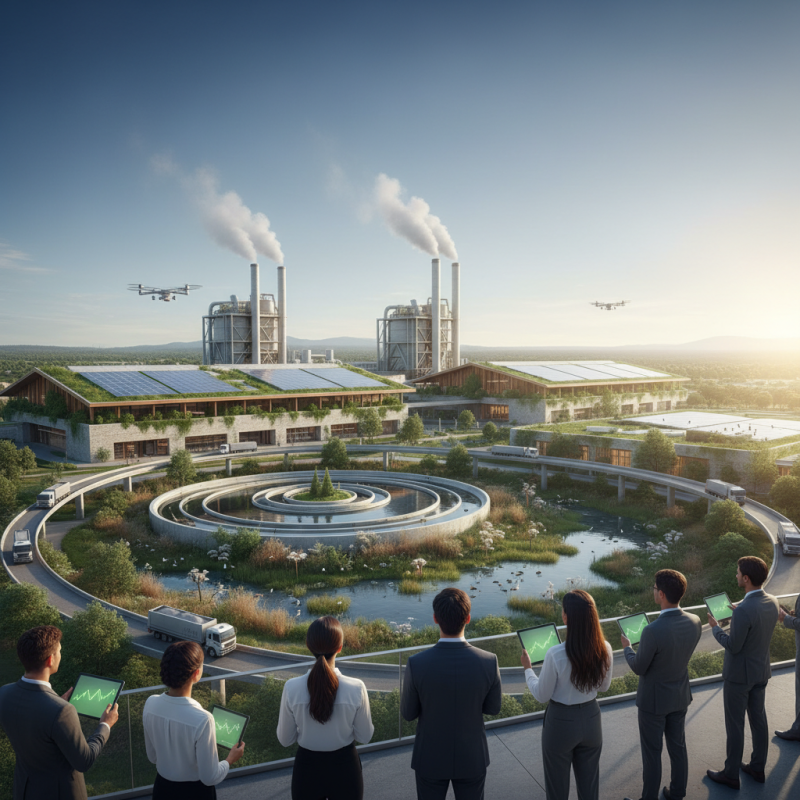
Best Practices for Cement Production Environmental Management
The cement industry is a significant contributor to global carbon emissions. According to the International Energy Agency (IEA), this sector accounts for roughly 7% of total greenhouse gas emissions. Implementing effective environmental management practices is essential for sustainable operations.
One promising approach is the use of alternative fuels. Reports indicate that using waste materials like biomass and industrial by-products can reduce fossil fuel consumption significantly. Research shows that implementing these practices can help lower emissions by up to 30%. However, the transition is complex and requires careful planning to ensure operational efficiency.
Water management is another area needing attention. Cement production is water-intensive, and data from the World Resources Institute highlights that many regions face water scarcity. Efficient water use strategies, such as recycling and rainwater harvesting, are crucial. Yet, many companies struggle with these practices, often lacking the necessary infrastructure. This gap highlights the need for innovation and investment in sustainable practices in the cement industry.
Sustainable Resource Management in Cement Manufacturing
Sustainable resource management in cement manufacturing has become essential for industry leaders. The process begins with sourcing raw materials responsibly. Alternatives to traditional materials, such as industrial by-products, can reduce waste and energy consumption. This approach not only minimizes environmental impact but also offers cost benefits over time.
Water management is another critical aspect. Cement production is water-intensive, and mismanagement can lead to shortages. Innovative recycling methods can help conserve this precious resource. However, many facilities still lack efficient systems for monitoring and optimizing water usage, indicating room for improvement.
Energy efficiency remains a challenge. While some plants have adopted renewable energy sources, others continue relying on fossil fuels. Transitioning to greener energy solutions requires investment and a shift in mindset, which can be daunting. Emphasizing the need for partnerships and knowledge-sharing may help overcome these barriers. Hence, the journey toward sustainable cement manufacturing is ongoing, requiring reflection and commitment from all stakeholders involved.
Emission Reduction Strategies in the Cement Industry
The cement industry is a significant contributor to global carbon emissions. As concerns about climate change grow, companies must adopt effective emission reduction strategies. One innovative approach is the use of alternative fuels. These fuels can replace traditional fossil fuels, reducing both CO2 and particulate emissions. Biomass and waste materials can serve as sustainable energy sources. However, transitioning requires careful planning and investment.
Another promising strategy is the development of carbon capture and storage (CCS) technology. This method captures CO2 emissions before they enter the atmosphere. Though promising, CCS presents challenges. High costs and technical barriers can limit its widespread adoption. Industry players need to collaborate with research institutions to enhance its feasibility.
Utilizing blended cements is another avenue for reducing emissions. By incorporating materials like fly ash or slag, the carbon footprint diminishes. However, achieving quality control can be difficult. Proper testing and standards must guide the use of these materials. The reliance on innovative technologies and sustainable practices is crucial for the future of cement manufacturing. Emission reduction strategies must be prioritized as the industry navigates its role in a changing environment.
Waste Management and Recycling in Cement Operations
In the cement industry, waste management and recycling play crucial roles in promoting sustainability. Effective waste management strategies can minimize environmental impacts while maximizing resource efficiency. Many cement plants are investing in advanced sorting technologies to recover usable materials from waste. This reduces the amount of waste sent to landfills. By reusing materials, these operations not only cut costs but also contribute to a circular economy.
Recycling in cement operations often involves incorporating by-products from other industries. Fly ash, slag, and even certain industrial wastes can be utilized in cement production. However, challenges remain. The quality of these materials must meet strict standards to ensure product integrity. Sometimes, the recycling process can be inefficient, leading to lower-quality outputs. Continuous innovation and research are essential to improve practices in this area.
The adoption of waste management best practices requires a shift in mindset. Many companies must grapple with the balance between traditional operations and sustainable practices. It is an ongoing journey toward excellence and responsibility. Implementing effective waste management methods can lead to visible benefits, but it also exposes areas for improvement. Addressing these challenges is vital for building a sustainable future in cement operations.
2026 Best Cement Environmental Management Practices for Global Buyers
Innovative Technologies for Eco-friendly Cement Solutions
The cement industry is under pressure to embrace eco-friendly solutions. Innovative technologies play a crucial role in achieving sustainable practices. For example, carbon capture and storage (CCS) technology can reduce emissions by up to 90%. However, adoption rates remain low due to high costs and technological challenges. Companies must evaluate the feasibility of these solutions.
Alternative fuels also present an opportunity for greener production. Replacing traditional fuels with biomass or waste materials reduces carbon footprints significantly. A recent report indicates that using alternative fuels can lower CO2 emissions by 30% globally. Yet, the industry faces hurdles, such as availability and supply chain complexities.
Implementing these technologies requires not only investment but also a shift in mindset. Improved recycling methods for cement can lead to a
circular economy. However, there are concerns regarding the quality and consistency of recycled materials. Balancing innovation with practical challenges remains essential for achieving long-term sustainability in the cement sector.