
What Is the Best Automatic Feeding Gluing Machine in 2026?

Choosing the best Automatic Feeding Gluing Machine in 2026 depends on the work it must handle, not just its advertised speed. Board size, material thickness, glue consistency, and daily order changes all matter. There is no universal winner. A machine that feeds standard cartons smoothly may struggle with mixed stock or frequent changeovers. Shigeo Shingo, an influential industrial engineer, is often quoted as saying, “The most dangerous kind of waste is the waste we do not recognize.” His warning offers a useful lens for equipment choices: unnoticed misfeeds, glue variation, and long setup times can quietly reduce output. Small losses add up.

When comparing models, examine the feeder’s grip, alignment controls, glue application, and access for cleaning. Ask suppliers to demonstrate your actual materials, not only ideal sample boards. Watch the sheet enter, pass the glue heads, and leave the delivery section. Does it skew? Is the adhesive line even? How long does a size change take? Details matter. This guide compares practical capabilities and trade-offs, including operating stability, adjustment needs, and support after installation. Specifications alone rarely tell the whole story. A faster rating may look convincing, yet prove less useful on a variable production line. I would still verify performance with a real production trial; even a careful comparison cannot predict every shop-floor surprise. The best choice is the one that fits your workload reliably, with results your team can repeat.
What Is the Best Automatic Feeding Gluing Machine in 2026?

What an Automatic Feeding Gluing Machine Does

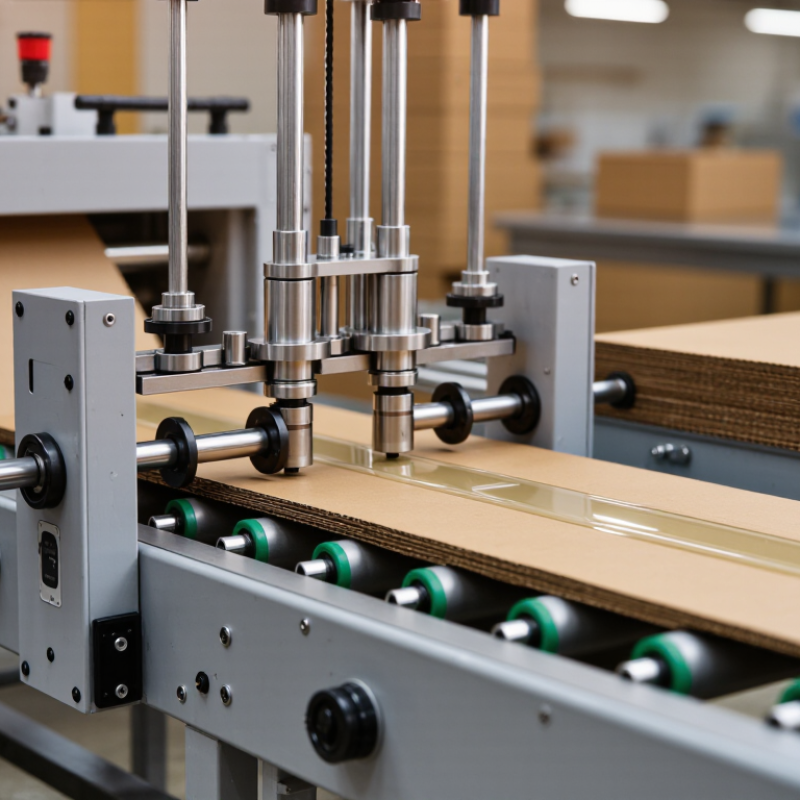
An automatic feeding gluing machine moves sheets or blanks into position, applies adhesive, and prepares each piece for the next production step. Depending on its design, it may use rollers, nozzles, or glue wheels. Sensors and guides help keep materials aligned as they pass through. The operator sets feed speed, glue amount, and spacing to suit the stock and job. On a packaging line, for example, a folded carton blank can enter the machine, receive a narrow adhesive strip, and leave ready for pressing. Small differences matter.

Automation can make feeding steadier and reduce repetitive hand placement, but it does not remove the need for careful setup. Paper thickness, surface coating, glue viscosity, and room temperature can all affect bonding. If glue builds up on a roller, the next pieces may carry uneven lines; if guides are loose, sheets can drift. A practical operator checks the first few samples, adjusts the settings, and watches for changes during a run. Not every fault is obvious at a glance. Even a clean-looking seam may need a bond-strength check before full production continues. Regular cleaning and straightforward maintenance help keep the feed path and adhesive system working as intended.


What Is the Best Automatic Feeding Gluing Machine in 2026?

What an automatic feeding gluing machine does: it moves workpieces through a typical sequence of feeding, alignment, adhesive application, folding or assembly, and delivery. Features vary by machine and application.

The bars show process order, not processing time or machine performance. A specific machine may combine, omit, or add steps depending on the material and product.

How Automatic Feeding and Adhesive Application Work

What Is the Best Automatic Feeding Gluing Machine in 2026?

How Automatic Feeding and Adhesive Application Work

An automatic feeding gluing machine moves flat blanks or components into position, applies adhesive, then presses the pieces together. A feeder separates each sheet with rollers, vacuum cups, or belts. Sensors check alignment and detect gaps. When a blank reaches the gluing station, timed nozzles lay down a controlled bead or pattern.

Adhesive choice matters. Hot-melt glue sets quickly, while water-based adhesives may need longer drying time. The machine’s speed must match the glue’s open time and the material’s surface. Too much adhesive can squeeze out at the seam; too little may leave a weak bond. Small changes in temperature, nozzle distance, or sheet dust can affect results.

Automation is expanding across manufacturing. The International Federation of Robotics’ World Robotics 2024 report recorded 541,302 industrial robot installations worldwide in 2023. That figure is broad context, not a measure of gluing-machine performance. A practical evaluation should track feed jams, bond consistency, changeover time, and rejected pieces during a real production run. I would test the actual material, not just a sample carton.

There is a catch: a fast line can still make poor bonds.

Main Machine Types and Their Applications

Automatic feeding gluing machines vary by material, product shape, and production volume. Sheet-fed folder-gluers suit folding cartons and paperboard sleeves. They feed flat blanks, apply adhesive along selected panels, then fold and compress each piece. A packaging operator can check feed alignment, glue coverage, and fold accuracy during setup. Small adjustments matter.

Corrugated carton gluers handle larger, stiffer blanks used for shipping boxes. Some models apply glue to side seams; others support multi-point gluing for box styles with several bonded panels. For books, envelopes, or specialty paper products, compact feeding and gluing systems may offer better control over thin sheets and narrow glue lines. In practice, machine categories overlap, and supplier labels are not always consistent. Match the machine to actual samples, not just its product description.

Tips: Bring representative materials to a trial run. Check sheet size, board thickness, adhesive type, and required output speed. Watch for skewed feeding or glue squeeze-out. Ask how quickly operators can clean the glue path and change settings. Test samples. A fast machine is not automatically the best fit if changeovers are frequent or feeding remains inconsistent.

Criteria for Comparing Machines in 2026

When comparing automatic feeding gluing machines in 2026, judge them under your real production conditions, not by brochure speed. Run a timed trial using your usual board, blank size, and adhesive. Record good pieces per minute, missed feeds, skewed blanks, and glue-line consistency. Numbers need context. Ask how quickly operators can adjust feed guides and glue settings between jobs. A fast machine may lose its advantage when changeovers require repeated manual correction. Check whether sensors detect double-feeds or low adhesive before defects reach packing.

Reliability matters as much as output. Review maintenance intervals, cleaning access, spare-part availability, and the time needed to clear a jam. Small details matter. Test several shifts if possible; a brief demonstration may hide problems that appear after hours of continuous operation. Ask for documented trial results and clear acceptance criteria, including what counts as a usable glued piece. Consider whether the machine fits your existing workflow, floor space, and operator skill level. One limitation remains: no single trial can represent every future job. Treat test data as useful evidence, not a guarantee, and note where the results may not reflect your daily mix.

Choosing a Machine for Different Production Needs

What Is the Best Automatic Feeding Gluing Machine in 2026?
Choosing a Machine for Different Production Needs

The best machine depends on the work it must handle, not its advertised top speed. A short-run carton shop needs fast job changes, simple adjustments, and reliable feeding across different board sizes. A high-volume line should prioritize sustained output, automatic alignment, and glue application that stays consistent through long runs. Smithers’ report, The Future of Global Packaging to 2028, projects the global packaging market will exceed $1.2 trillion by 2028. That growth points to varied demand, not one ideal machine specification.

Check actual jobs before comparing models. Record board thickness, blank dimensions, daily volume, and changeovers per shift. For mixed orders, test how quickly operators can adjust feeder guides and glue settings. For repeat runs, inspect feed stability and whether the machine flags missed or uneven glue lines. PMMI’s 2024 State of the Industry report discusses workforce constraints and automation investment; easier controls and routine maintenance matter when experienced operators are scarce. Still, automation cannot fix poor setup.

Ask for a production trial using your own board and adhesive. Watch the first sheets, not just the smooth middle of the run. Note jams, glue-string cleanup, and setup time. A specification sheet rarely captures those small delays. A machine that runs slightly slower may fit better if it handles real job changes with less intervention. The trade-off is easy to miss.

What Is the Best Automatic Feeding Gluing Machine in 2026? — Choosing a Machine for Different Production Needs
Machine Configuration Typical Production Needs Common Box Styles Feeding and Gluing Characteristics Main Advantages Points to Check Before Buying
Straight-line folder-gluer Regular runs of standard folding cartons with straightforward layouts. Straight-line cartons with a simple side-seam glue joint. Automatically feeds and folds blanks; applies adhesive to the side seam. Compression belts hold the glued joint while it sets. Relatively simple setup and operation; suitable for repeat work and consistent carton designs. Confirm blank-size range, board compatibility, feeder adjustment, glue control, and how quickly operators can change jobs.
Crash-lock-bottom folder-gluer Packaging that needs a quick-forming base for filling and packing operations. Crash-lock-bottom cartons, often with a straight-line or similar top closure. Uses additional folding and gluing sections to form and secure the interlocking bottom flaps as the carton runs through the machine. Produces cartons that can be erected quickly by the end user; useful for many retail and food-packaging applications. Check the machine’s bottom-folding arrangement, carton design compatibility, setup requirements, and adhesive placement accuracy.
Multi-function folder-gluer Plants handling a varied mix of carton styles and frequent changeovers. Depending on configuration, straight-line, crash-lock-bottom, and selected multi-panel cartons. Combines adjustable folding and gluing sections; some configurations support additional folding or gluing operations. Offers greater job flexibility than a dedicated single-style line when the machine is correctly configured. Ask which carton styles can be processed without extra equipment, and verify changeover time, tooling needs, and operator training.
Four- and six-corner folder-gluer Production of cartons with formed corners or more complex folded bases. Four-corner and selected six-corner cartons, subject to machine configuration and carton design. Uses specialized folding devices and adhesive application points to form and bond multiple corners. Can automate carton styles that require more than a simple side seam or standard crash-lock bottom. Provide sample carton drawings and blanks for a capability check; inspect corner-fold accuracy, glue placement, and setup complexity.
Compact or short-run folder-gluer Smaller batches, limited floor space, or frequent production changes. Simple carton styles within the machine’s stated size and design limits. Typically uses an automatic feeder and adhesive system with a more compact production layout; actual automation varies by model. May reduce space needs and suit mixed work where a large high-output line is not justified. Compare usable size range, manual handling requirements, changeover time, inspection options, and achievable output on your actual jobs.
High-output folder-gluer line Long, repeat production runs where line utilization and output consistency are priorities. Carton styles supported by the selected line configuration, including common straight-line or bottom-lock formats. May include an automatic feeder, folding and gluing sections, compression, and optional counting or delivery equipment. Designed to support sustained production when blanks, operators, maintenance, and downstream handling are well matched. Evaluate demonstrated output on your carton, uptime expectations, staffing, reject handling, service support, and integration with upstream and downstream equipment.

Selection note: There is no single best configuration for every plant. Confirm machine capability using your carton drawings, board grade, blank samples, adhesive requirements, expected order mix, and target production volume. Actual speed and workable material ranges depend on the machine and job.

REQUEST A QUOTE

Menu
[all-fields]