Best Aeration Process Techniques for Wastewater Treatment Tips?
The Aeration Process In Wastewater Treatment is crucial for enhancing treatment efficiency. According to the Water Environment Federation, effective aeration can reduce biochemical oxygen demand (BOD) levels by over 80%. This process is essential for oxygenating wastewater, allowing microorganisms to thrive and break down pollutants.
Different aeration techniques vary in effectiveness and efficiency. For instance, fine bubble aeration is known for its high oxygen transfer efficiency, making it a preferred choice in modern treatment plants. However, some traditional methods still hold relevance, presenting limitations and needing improvement.
While advances in technology offer innovative solutions, challenges remain. Older plants may struggle to implement new techniques. Continuous assessment is vital to identify shortcomings and enhance the aeration process in wastewater treatment. Adapting to technology while learning from existing processes will pave the way for a more sustainable future.
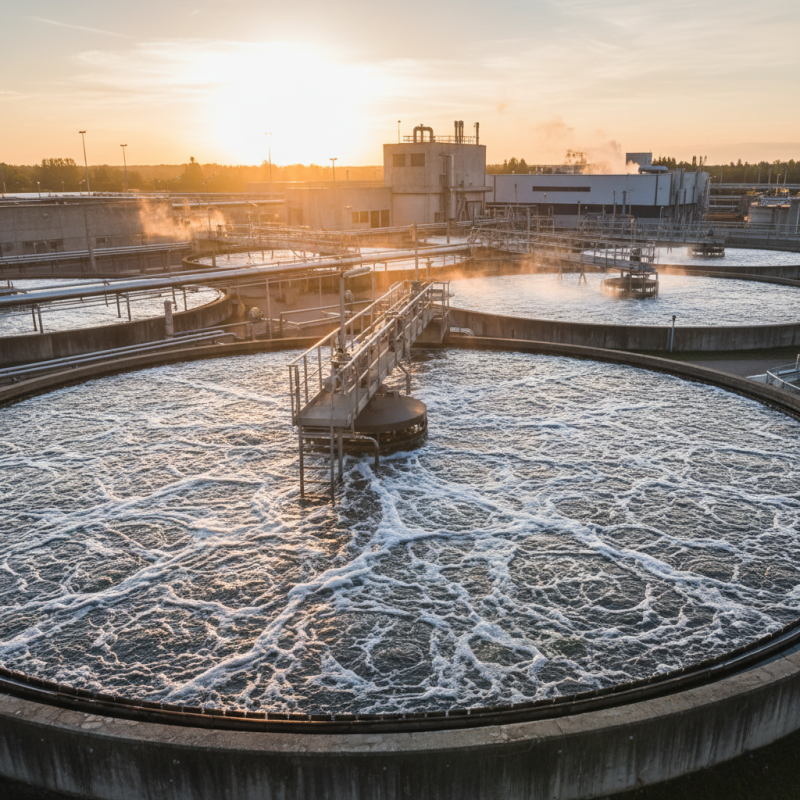
Overview of Aeration in Wastewater Treatment
Aeration plays a crucial role in the wastewater treatment process. This technique enhances the oxygen transfer in water, promoting the breakdown of organic materials by microorganisms. According to the U.S. Environmental Protection Agency (EPA), effective aeration can improve removal efficiencies of biochemical oxygen demand (BOD) and total suspended solids (TSS), achieving reductions of up to 95% in well-designed systems.
Various aeration methods are available, including fine bubble diffusers and mechanical aerators. Fine bubble diffusers are commonly used due to their efficiency in oxygen transfer. Reports indicate that these systems can achieve oxygen transfer rates of 10 to 25 mg/l per hour under optimal conditions. Mechanical aerators offer greater flexibility but may have higher energy consumption. It is essential for facilities to evaluate their specific needs, as each method has its pros and cons.
Despite advancements, challenges remain in aeration processes. Operational issues like fouling of diffusers can reduce efficiency over time. Additionally, the energy costs associated with aeration can be significant, sometimes accounting for 50-70% of a plant's energy use. Continued innovation and research are needed to address these drawbacks, ensuring more sustainable and cost-effective wastewater treatment solutions.
Best Aeration Process Techniques for Wastewater Treatment
Types of Aeration Techniques Used in Treatment Plants
Aeration techniques play a crucial role in wastewater treatment. These methods help introduce air into wastewater, promoting the growth of microorganisms. These microorganisms are essential for breaking down contaminants. There are a variety of aeration techniques utilized in treatment plants.
One common method is the activated sludge process. It involves a mixture of wastewater and air. Microorganisms consume organic matter, reducing harmful pollutants. Another technique is trickling filters, where wastewater flows over media. The attached biofilm consumes nutrients and improves water quality. Both techniques have their strengths and weaknesses. For instance, the activated sludge process can be energy-intensive. This can lead to higher operational costs.
Diffused aeration is another effective method. It uses air diffusers to create fine bubbles. This increases the oxygen transfer rate in the water. While efficient, it requires careful monitoring to ensure proper functioning. Each technique has specific applications and effectiveness depending on the plant design. Operators must evaluate their needs and environmental impact.
Factors Influencing Aeration Efficiency
Aeration efficiency in wastewater treatment plays a crucial role in achieving optimal results. Several factors can influence this efficiency significantly. One key element is the design of the aeration system. Different configurations, such as diffused aeration versus mechanical aerators, can yield varying levels of oxygen transfer. Understanding the unique needs of each treatment facility is vital in selecting the right system.
Another important factor is the characteristics of the wastewater itself. The concentration of pollutants and the presence of solids can affect oxygen demand. If waste is too concentrated, aeration may falter, leading to insufficient decomposition of organic material. Regular assessments of wastewater composition help in adjusting aeration strategies effectively.
Temperature is also a vital consideration. Warmer water holds less dissolved oxygen, complicating treatment efforts. Seasonal variations can impact aeration efficiency, reflecting the need for adaptable strategies. Equipment maintenance is crucial; neglected systems may operate inefficiently, wasting energy and resources. Keeping up with routine checks can mean the difference between success and failure in wastewater management.
Best Aeration Process Techniques for Wastewater Treatment Tips? - Factors Influencing Aeration Efficiency
| Aeration Technique | Efficiency (%) | Energy Consumption (kWh/m³) | Cost (USD/m³) | Maintenance Frequency (Months) |
| Fine Bubble Diffusion | 85 | 0.5 | 0.15 | 12 |
| Mechanical Surface Aeration | 75 | 0.8 | 0.20 | 6 |
| Cascade Aeration | 70 | 0.9 | 0.25 | 24 |
| Sulfide Removal Process | 90 | 0.4 | 0.18 | 18 |
Best Practices for Implementing Aeration Systems
When implementing aeration systems in wastewater treatment, careful planning is crucial. Start by assessing the specific needs of your facility. Each site has unique requirements based on factors like flow rates and contaminants. Keeping this in mind will help in selecting an appropriate aeration technique.
Regular monitoring is essential for maintaining system efficiency. Track key parameters, such as dissolved oxygen levels. This can prevent issues related to under-aeration or over-aeration. Regular adjustments might be necessary, ensuring that the aeration process remains effective throughout operations.
Training personnel is another significant aspect. Staff should be well-versed in aeration processes and potential challenges. They should know how to troubleshoot and respond to changes in water quality. Investing in ongoing education can lead to long-term success. It's often where mistakes happen, and learning from them will enhance future practices.
Monitoring and Maintenance of Aeration Processes
Effective monitoring and maintenance of aeration processes are crucial in wastewater treatment. Regular checks on dissolved oxygen (DO) levels are essential. Research shows that maintaining DO between 2 to 4 mg/L enhances the biological treatment efficiency. A drop below this range can lead to suboptimal conditions for microorganisms, which affects the overall efficiency. Likewise, excessive aeration may result in increased energy costs without significant benefits.
Scheduled maintenance is another critical aspect. Aeration systems require periodic inspection and cleaning. Accumulated sludge can obstruct diffusers, diminishing their performance. Studies indicate that proper maintenance can improve equipment lifespan by up to 20%. Neglecting this aspect can lead to failures, increased costs, and compliance issues.
Incorporating real-time monitoring technologies can provide valuable insights. Sensors can track performance metrics, ensuring timely interventions. However, reliance solely on technology can be problematic. Human oversight remains vital, especially in interpreting data and making decisions. Balancing technology with skilled personnel enhances aeration process reliability.