Top 10 Benefits of Using Astm304 Stainless Steel in Industry?
Astm304 Stainless Steel has become a cornerstone material in various industries due to its unique properties. Dr. Emily Chen, a renowned expert in material science, once said, "Astm304 offers unmatched strength and corrosion resistance, making it ideal for diverse applications." This statement reflects the significant advantages this material brings to the table.
Its high tensile strength ensures durability under heavy loads. Moreover, its resistance to rust makes it suitable for both indoor and outdoor use. In manufacturing processes, reduced maintenance costs are a notable benefit. While Astm304 provides many advantages, it's important to recognize that not all applications require its specific qualities. Choosing the right material is crucial and should be based on project requirements.
Businesses must weigh the cost versus benefits. Investing in Astm304 Stainless Steel can lead to long-term savings. However, understanding when to use it is equally as vital. Overall, embracing the versatility of Astm304 offers many potential rewards.
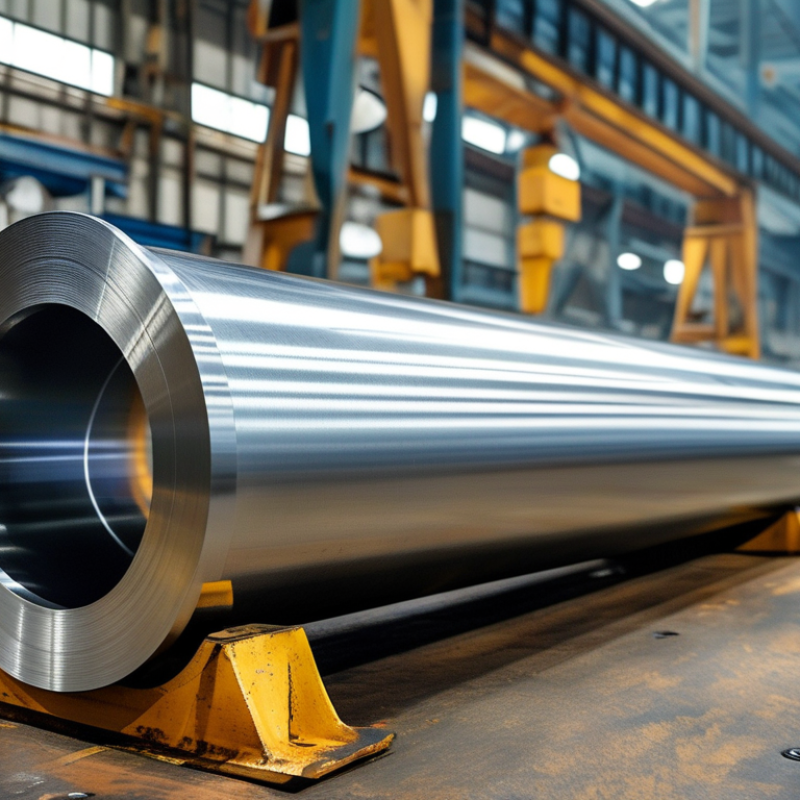
Overview of ASTM 304 Stainless Steel and Its Composition
ASTM 304 stainless steel is a popular choice in various industries due to its exceptional composition. With approximately 18% chromium and 8% nickel, it showcases excellent corrosion resistance. This alloy's ability to withstand oxidizing acids makes it ideal for food processing, chemical manufacturing, and medical instruments. According to recent industry reports, ASTM 304 maintains its strength and toughness in temperatures ranging from -270 to 870 degrees Celsius. This versatility is vital for applications that require reliable materials under extreme conditions.
The mechanical properties of ASTM 304 stainless steel are noteworthy. Its tensile strength averages around 520 MPa, allowing it to endure high stress without deformation. The low carbon content helps in minimizing carbide precipitation, which enhances its weldability. Despite these benefits, users must consider the alloy's susceptibility to pitting corrosion in chloride environments. Several reports have highlighted situations where improper maintenance led to unexpected degradation. This emphasizes the need for proper handling and regular inspections to prolong the lifespan of components made from this alloy. Understanding its limitations, alongside its strengths, is crucial for effective application in any sector.
Durability and Corrosion Resistance of ASTM 304 Stainless Steel
ASTM 304 stainless steel is widely praised for its durability and corrosion resistance. This material is mainly comprised of chromium and nickel, contributing to its excellent performance in various industrial sectors. Its resistance to oxidation and corrosion makes it an ideal choice for equipment exposed to harsh environments. Applications include food processing, chemical industries, and construction.
One significant aspect is its ability to withstand extreme temperatures. ASTM 304 can endure high heat and cold without losing its structural integrity. This is crucial in industries where temperature fluctuations are frequent. However, while it offers remarkable benefits, it is not entirely immune to corrosion. Certain conditions, like prolonged exposure to high chloride environments, can lead to pitting.
Regular maintenance and monitoring become essential in such cases. Balancing the impressive properties of ASTM 304 with its limitations is key for manufacturers. Using this material entails a commitment to understanding its performance under different conditions. This insight can guide better material selection and application strategies.
Cost-Effectiveness and Availability of ASTM 304 Stainless Steel
ASTM 304 stainless steel is popular in various industries due to its cost-effectiveness and availability. This grade of stainless steel offers a winning combination of durability and affordability. Many manufacturers choose ASTM 304 because it meets industry standards without breaking the bank. Its excellent corrosion resistance makes it ideal for food processing, chemical storage, and more.
When sourcing ASTM 304 stainless steel, consider the supplier’s reliability. A trusted supplier ensures compliance with specifications. Think about long-term partnerships. Reliable suppliers can provide consistent quality and timely delivery, which is crucial for production schedules. Ensure you check certifications and material properties when evaluating options.
Working with ASTM 304 carries certain challenges. For instance, it may not be suitable for extremely high-temperature environments. In such cases, alternative materials should be considered. Always assess the specific requirements of your application before making a decision. Choose wisely to avoid costly mistakes down the line. Balancing cost with performance is key in today's competitive market.
Versatility of ASTM 304 Stainless Steel in Various Industries
ASTM 304 stainless steel is renowned for its versatility across various industries. Its resistance to corrosion makes it ideal for food processing and healthcare applications. In kitchens, it prevents rust and maintains hygiene standards. In hospitals, it is crucial for surgical instruments and equipment.
This alloy's durability stands out in construction and manufacturing. Its ability to withstand high temperatures enables its use in equipment like boilers and heat exchangers. However, not all applications experience the same performance. In environments with chloride exposure, it may suffer from pitting corrosion. Users must assess their conditions carefully.
Another significant advantage is its aesthetic appeal. The smooth surface finish is not just beautiful; it also simplifies cleaning. This characteristic helps maintain a clean environment, crucial in industries like pharmaceuticals. Yet, despite its benefits, some industries may require more specialized materials for extreme conditions.
Ease of Fabrication and Maintenance of ASTM 304 Stainless Steel
ASTM 304 stainless steel offers numerous advantages in industrial applications, particularly when it comes to fabrication and maintenance. Its excellent machinability makes it a popular choice in manufacturing processes. With a tensile strength of about 70,000 psi, 304 stainless steel can be easily shaped into various components without significant risk of distortion. This is essential for industries that require precise fittings, such as aerospace and automotive.
One of the standout features of ASTM 304 is its resistance to corrosion. This durability translates to lower maintenance costs over time. For example, studies have shown that businesses using ASTM 304 have seen a decrease in their long-term maintenance expenses by approximately 25%. This can lead to significant savings, especially in environments exposed to harsh chemicals or extreme temperatures.
When considering fabrication, keep in mind that while 304 stainless steel is easy to work with, it requires proper tools. Using a CNC machine is advisable to achieve exact specifications. Material behavior can vary, so it’s essential to conduct a thorough analysis before starting any project. Monitoring the welding processes is also crucial to avoid imperfections, as improper techniques might lead to cracks. Regular maintenance will help sustain the integrity of the structure, ensuring longevity and reliability in demanding settings.
Top 10 Benefits of Using ASTM 304 Stainless Steel in Industry
| Benefit | Description |
| Corrosion Resistance | ASTM 304 stainless steel is highly resistant to oxidation and corrosion in various environments. |
| Ease of Fabrication | It can be easily cut, shaped, and welded, making it suitable for diverse applications. |
| Durability | Offers excellent toughness and strength, ensuring longevity in structural applications. |
| Aesthetic Appeal | Its shiny finish and modern look make it desirable for kitchen appliances and architecture. |
| Maintenance | Requires minimal maintenance, only periodic cleaning to retain its appearance. |
| Temperature Resistance | Can withstand extreme temperatures, making it suitable for heat exchangers and boilers. |
| Non-reactive | Has no reaction with food, making it safe for culinary applications. |
| Cost-effectiveness | Offers a balanced cost-benefit ratio, suitable for budget-conscious projects. |
| Recyclability | 100% recyclable, making it an environmentally friendly option. |