What is an Auto Belt Tensioner and How Does It Work?
The Auto Belt Tensioner is a critical component in modern vehicles, playing a vital role in the operation of the engine's timing system. According to a report by MarketsandMarkets, the global automotive tensioner market is projected to grow from $2.5 billion in 2023 to $3.4 billion by 2028, reflecting a rising demand for better engine performance and efficiency. This growth speaks to the importance of an effective tensioner in maintaining the balance between the forces exerted by engine components.
An Auto Belt Tensioner works by automatically adjusting the tension of the drive belt, ensuring it remains tight and operates smoothly. This self-regulating mechanism not only enhances performance but also prolongs the life of the belt. However, improper functioning or wear of the tensioner can lead to significant issues, like belt slippage or premature failure. Data from the Automotive Aftermarket Suppliers Association suggests that up to 30% of vehicle breakdowns are linked to belt-related problems. With vehicle complexities increasing, understanding how an Auto Belt Tensioner operates is crucial for both consumers and automotive professionals alike.
What is an Auto Belt Tensioner?
An auto belt tensioner is a crucial component in vehicle engines. It maintains the proper tension on the drive belt, which connects various engine accessories. Commonly, this includes the alternator, water pump, and air conditioning compressor. A properly functioning tensioner enhances efficiency. In fact, according to the Automotive Research Institute, a well-maintained tensioner can reduce belt wear by up to 30%. This increases the lifespan of both the belt and the engine components it drives.
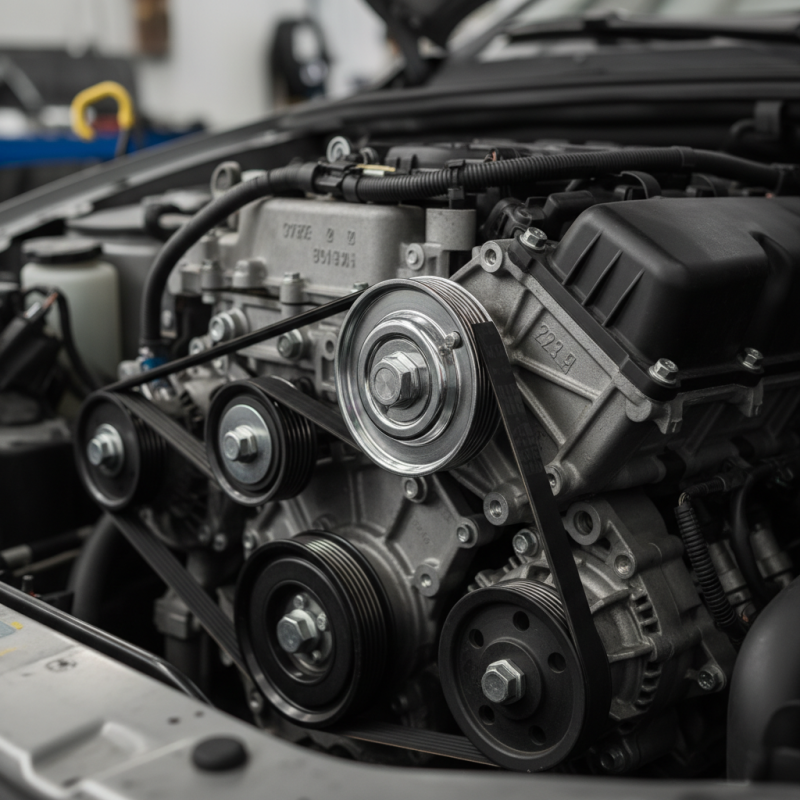
Auto belt tensioners operate using springs and pulleys. They automatically adjust the tension based on belt slack. This self-regulating feature is essential. It prevents slipping, which can lead to significant performance issues. A study from the Society of Automotive Engineers revealed that 15% of belt failures result from inadequate tension. Regular inspection of the tensioner is recommended. If worn or damaged, it can cause excessive vibration and noise, indicating potential failure.
In addition, many tensioners use hydraulic systems for more precise adjustment. This can improve performance but may also introduce complexity. Some drivers may overlook minor signs of wear, leading to more significant issues. Understanding the function and the need for maintenance can help prevent costly repairs. Recognizing these details is part of responsible vehicle ownership.
Components of an Auto Belt Tensioner
An auto belt tensioner is a crucial component in an engine’s accessory drive system. Its primary function is to maintain proper tension on the belts. This ensures that the belts operate efficiently and effectively. A properly functioning tensioner can prevent premature wear, reduce noise, and minimize slippage.
The main components of an auto belt tensioner include the spring mechanism, pulley, and mounting bracket. The spring mechanism is responsible for applying the necessary tension to the belt. It adjusts automatically to compensate for wear. The pulley allows for smooth belt rotation, reducing friction and noise. The mounting bracket provides structure and holds the tensioner in place.
Despite their reliability, tensioners can occasionally fail. Wear can lead to belt slippage or misalignment, causing further engine issues. Regular inspection is essential to maintain component health. It is important to recognize the signs of a failing tensioner, such as squeaking noises or uneven belt wear. Understanding these details can help in making informed maintenance decisions.
How Does an Auto Belt Tensioner Work?
An auto belt tensioner is a critical component in a vehicle's engine system. It helps maintain the correct tension on the serpentine belt. This belt connects various engine accessories, like the alternator and power steering pump. The tensioner ensures the belt stays snug and operates efficiently.
The way an auto belt tensioner works is quite interesting. It uses a spring mechanism to adjust tension based on the belt's movement. As the belt wears or stretches, the tensioner compensates by moving. This automatic adjustment prevents slippage and reduces noise.
Without a properly functioning tensioner, the belt can wear out faster and decrease engine performance.
However, not all tensioners last the same amount of time. Some may wear out prematurely due to poor design or material quality.
Drivers often overlook the tensioner's importance, which can lead to unexpected breakdowns. Regular inspection is crucial. Keeping an eye on this small but mighty component can save time and money in repairs. Remember, your vehicle's health often depends on parts that remain hidden from view.
Common Issues with Auto Belt Tensioners
Auto belt tensioners play a vital role in vehicle engine performance. They maintain proper tension on the serpentine belt, which drives accessories such as the alternator and power steering pump. Unfortunately, these components can face several common issues. A report from the Automotive Aftermarket Suppliers Association highlights that approximately 30% of belt-related failures are linked to malfunctioning tensioners.
One prevalent issue is wear and tear caused by age and environmental factors. Rubber components can degrade over time, leading to loss of tension and belt slippage. This can result in squeaking sounds or even complete belt failure. According to a study by the Vehicle Service Professionals Association, many technicians note that faulty tensioners are often misdiagnosed. Proper inspection is crucial to avoid unnecessary repairs.
Another common problem is the failure of the hydraulic damping mechanism within the tensioner. This can lead to excessive vibration in the belt system. Research shows that drivers often overlook these symptoms, resulting in longer-term engine damage. Awareness of how tensioners can fail is essential for maintenance. Regular checks can prevent costly repairs down the line. Understanding these issues allows vehicle owners to take proactive steps in maintaining their engines effectively.
Common Issues with Auto Belt Tensioners
Benefits of Using an Auto Belt Tensioner in Vehicles
An auto belt tensioner plays a crucial role in vehicle performance. It maintains proper tension in the serpentine belt. This tension ensures the belt operates efficiently. A well-functioning tensioner reduces wear on the belt. It can extend the overall lifespan of the engine components it powers.
Using an auto belt tensioner has various benefits. It enhances engine efficiency. A properly tensioned belt minimizes slippage, which can decrease power loss. Additionally, a tensioner removes the need for frequent manual adjustments. This convenience saves time and reduces maintenance costs. Many vehicle owners appreciate its reliability.
Tips:
- Regular inspections of the tensioner can prevent future problems.
- Listen for any unusual noises, as they may indicate wear.
- Keeping the belt clean can also help maintain tension and reduce friction.
These simple steps can lead to more efficient vehicle operation, ensuring smooth journeys.