What is an Aluminum Welder Machine and How to Choose One?
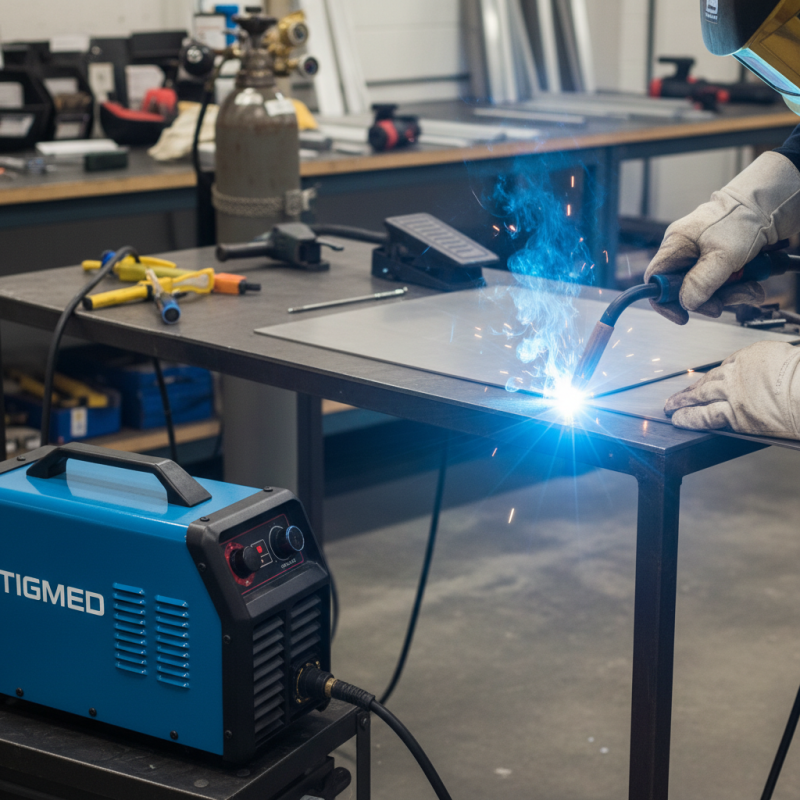
An Aluminum Welder Machine is a specialized tool for welding aluminum materials. These machines are crucial for both professional welders and DIY enthusiasts. When choosing an aluminum welder machine, several factors come into play.
The welding process for aluminum can be challenging. It requires precision and the right equipment. Aluminum is known for its lightweight properties but can be tricky to weld. An ideal aluminum welder machine combines power with finesse. It is essential to understand your needs before making a selection.
Various machines offer different features. Some are more portable, while others focus on heavy-duty tasks. The right choice may depend on the specific projects you plan to tackle. Consider performance, ease of use, and budget. This decision will shape your welding experience. Be prepared to evaluate multiple options, as the market is diverse. Choose wisely to achieve the best results.
What is an Aluminum Welder Machine?
An aluminum welder machine is a specialized tool designed for joining aluminum pieces. It utilizes various welding techniques such as TIG (Tungsten Inert Gas) and MIG (Metal Inert Gas) to achieve precise and durable welds. Aluminum is lightweight yet strong, making it popular in industries like automotive and aerospace. According to a report from the Global Welding Equipment Market, aluminum welding equipment is projected to grow at a CAGR of 5% through 2025.
Choosing the right aluminum welder is crucial. Factors like power output, duty cycle, and portability matter. Machines with a higher amperage allow for thicker materials but can be heavier. It's essential to assess your project needs. Understand that not every welder is ideal for all types of aluminum. Mistakes can lead to weak joints or damaging the material. Many welder users report frustration when their equipment doesn't perform as expected. This highlights the importance of thorough research before making a purchase.
Durability and ease of use are key features. Some machines feature advanced technology for better arc stability, while others may lack this. Operators often face challenges with inconsistent heat settings. This can result in burn-through or poor fusion. Effective training and practice are vital for mastery. Even seasoned welders acknowledge that ongoing skill refinement is necessary. Selecting the right machine can mitigate these issues significantly.
Key Features of Aluminum Welder Machines
When choosing an aluminum welder machine, several key features are crucial. The machine’s power output is important. It determines the thickness of the material you can weld effectively. A welder with adjustable amperage allows flexibility for various projects. This adaptability is essential for both beginners and experienced welders.
Another vital feature is the type of welding process. MIG and TIG are the most common methods for aluminum. MIG welding is usually faster and easier for beginners. In contrast, TIG welding offers better control and quality, albeit at a slower pace. Consider what projects you plan to undertake before deciding on the type of welder.
Portability can also play a huge role in your choice. If you need to move the welder frequently, consider a lightweight machine. A smaller footprint can save space in your workshop. Ensure the machine is sturdy yet manageable. Sometimes, these machines come with an arsenal of features that seem impressive but may not be necessary for your needs. It's wise to prioritize essential functions over unnecessary add-ons.
Types of Aluminum Welder Machines Available
When considering aluminum welder machines, understanding the types available is crucial. There are several key types. MIG (Metal Inert Gas) welders are popular for their ease of use. They are suitable for beginners and provide a clean finish. TIG (Tungsten Inert Gas) welders, on the other hand, offer precise control. They are often preferred for thin aluminum sheets and have a higher skill requirement.
A recent industry report notes that the demand for aluminum welding solutions has increased by 15% annually. This growth is driven by the automotive and aerospace sectors. Stick welding, while less common for aluminum, is also an option. It can be effective for repairs and heavy-duty applications but requires a different skill set. Moreover, multi-process machines offer versatile capabilities, allowing welders to switch between MIG, TIG, and stick welding.
Choosing the right welder depends on specific needs. Consider the thickness of aluminum you will work with. For thicker materials, more powerful machines are necessary. However, they may consume more energy and require more technical expertise. Balancing these factors is essential for optimal performance in welding tasks. It's worth noting that improper use of any welding machine can lead to safety hazards, so adequate training is vital.
Aluminum Welder Machine Types and Efficiency Ratings
The chart above illustrates the efficiency ratings of various types of aluminum welder machines, providing insights into which type might best suit your needs. The ratings are based on user feedback and performance assessments.
Factors to Consider When Choosing an Aluminum Welder Machine
When selecting an aluminum welder machine, several key factors must be considered. The power output is crucial. Machines with a higher amperage typically offer better welding penetration. Look for models with adjustable settings to match varying material thickness, often ranging from 0.8 mm to 5 mm. Notably, according to the American Welding Society (AWS), the demand for aluminum welding in industries such as aerospace and automotive continues to rise, expected to grow by 7% annually.
Another important factor is the type of welding process. MIG (Metal Inert Gas) welding is often favored for aluminum due to its speed and ease of use. TIG (Tungsten Inert Gas) welding provides greater precision, making it suitable for thinner materials and intricate designs. Each method has its pros and cons, and your specific needs should guide the decision.
Tips: Ensure safety features are a priority. Look for machines with overheat protection and a reliable cooling system. Consider the weight and portability, especially if you plan to use the machine in various locations. Doing thorough research to apply the right machine in real-world situations is essential. Many users overlook machine compatibility with different aluminum alloys. Reflect on the materials you plan to work with to make an informed choice.
Factors to Consider When Choosing an Aluminum Welder Machine
| Feature | Description | Importance |
| Welding Method | TIG, MIG, or stick welding? | Determines type of aluminum welding |
| Power Source | AC, DC, or dual voltage? | Influences machine versatility |
| Amperage Range | Minimum and maximum amperage available | Affects welding thickness and materials |
| Weight | Weight of the welder machine | Impacts portability and ease of use |
| Duty Cycle | Duration machine can operate before cooling | Determines work limits |
| Price | Cost of the welding machine | Balance between budget and features |
| Accessories | Included tools and additional gear | Enhances usability and capability |
Tips for Operating and Maintaining Your Aluminum Welder Machine
Operating and maintaining an aluminum welder machine requires a careful approach. Proper care ensures longevity and efficiency. According to industry reports, routine maintenance can increase productivity by up to 30%. Regularly inspecting cables and connectors is crucial. Frayed wires can lead to poor performance or accidents. Clean the welding nozzle routinely; a clean nozzle enhances accuracy.
Staying aware of heat levels is important. Excessive heat can warp the aluminum and compromise the weld. The American Welding Society suggests monitoring the workpiece temperature to avoid defects. After each use, check all mechanical parts. Lubricating moving components can prevent wear and tear. It’s wise to document maintenance schedules. Keeping records assists in identifying patterns that may signal deeper issues.
Additional training on safety and operational techniques is beneficial. Engaging in workshops can elevate skills and reinforce best practices. Ensuring the workspace is tidy minimizes hazards. A cluttered area can distract welders, increasing the risk of injuries. While these measures may seem simple, neglecting them can lead to costly errors. Reflecting on past maintenance habits can also highlight areas needing improvement.